
When the insurance company presents you with a settlement after an accident, it’s best to take a moment to pause and make sure you run the settlement past a Fort Lauderdale, FL, personal injury lawyer. Once you sign, you can’t “unsign,” or ask for anything more, so it’s important that the settlement fully cover your losses.
Key Questions to Ask Before Accepting an Insurance Settlement
Have I Reached Maximum Medical Improvement?
Maximum medical improvement (MMI) is the point at which your doctor determines that your condition has stabilized and further treatment is unlikely to bring meaningful improvement. Hopefully this means you’re fully healed, but, if not, it still means you can’t be expected to get any better.
Accepting an offer too soon could mean you miss out on compensation for additional procedures, therapy, or complications you’re going to need later. Get a clear written statement from your treating physician about your prognosis and any ongoing needs before you sign anything.
Does This Address Both My Past and Future Medical Expenses?
Add up every bill you have received so far, including for any hospital stays, all doctor visits, your physical therapy, all medications, and any equipment you had to buy for recovery or to adapt to a new disability caused by the accident. Then, you’ll need estimates from your medical providers for any care you will still require.
Insurance adjusters frequently underestimate long-term costs, and it’s often best to have your lawyer talk with a medical or vocational expert witness who can use their expertise in this area to properly calculate what your long-term costs are likely to be.
Does This Fully Repay You for Lost Income?
It’s not just the bills you’ve had to pay out: if the injury kept you from earning income at the same time, the settlement should replace those paychecks, including any overtime or bonuses you missed.
Has My Pain and Suffering Been Taken Into Account?
Do not overlook compensation you’re owed for pain and suffering or mental anguish caused by the injuries you’ve suffered. These damages cover the physical discomfort, emotional distress, loss of enjoyment of life, and limitations on daily activities you’ve had to endure, which no receipt can fully capture. Insurance companies love to minimize these damages or pretend they don’t exist at all.
Are There Any Deadlines I Need to Know About?
Confirm whether the settlement has any deadlines that could affect your options, and make sure you’re aware of the statute of limitations set by the state of Florida for bringing a personal injury lawsuit. The insurance company often tries to pressure you to settle quickly, and in those cases you need to slow down. But sometimes they drag things out, hoping you’ll go over the statute of limitations and miss your chance to bring a lawsuit. Once that happens, they have all the leverage. A lawyer will help you keep all this in order.
Take the time to ask these questions before you accept any offer. For help in evaluating your injury case, contact G. Reynolds Legal, PLLC in Pompano Beach for a free consultation in the Fort Lauderdale, Pompano Beach, and the entire South Florida area.
In 2023, Florida moved from a pure comparative negligence rule to a modified one, and that has changed a lot about how personal injury compensation works out here in Fort Lauderdale, FL. Let’s explore the impact it has.
Personal Injury Compensation and Comparative Negligence
The Old Rule
Up until just 2023, the pure comparative negligence system allowed anyone to recover damages even if they were 99% responsible for an accident. Everyone’s damages would then be reduced by the same percentage as their fault, so if someone was 80% at fault, they would only receive 20% of their final award.
The New Rule
Since 2023, Florida has had a modified comparative negligence standard, which means that if a person is more than 50% responsible for an accident, they cannot get any damages at all. At less than 50%, they can recover compensation, but again, the damages are reduced by the same percentage as their fault. The only exception to this rule is for medical malpractice. With medical malpractice, the old rule still applies.
One other thing: under the old rule, you had four years to bring a claim. Now you only have two. It’s vitally important that you contact an attorney as quickly as possible after an injury to find out what your rights are and how to protect them.
How It Affects Your Fort Lauderdale, FL Case and Compensation
1. It Makes Insurance Companies Fight to Shift Blame
It can be really tough to deal with an insurance company under this new system. They have gotten very aggressive in arguing that an injured person should bear the majority of the fault. And if you do bear some fault, and that fault is anywhere close to 50%, they will ramp up their aggression in an attempt to avoid having to pay you anything at all. This means that having solid evidence, good expert analysis, and the help of a qualified lawyer is more important than it’s ever been in Florida.
2. It Can Still Reduce Your Award
Even if you are less than 50% at fault, you will still see a reduction in your compensation based on whatever percentage you are assigned. If you are 30% at fault, you can’t recover more than 70% of your total damages.
This means it’s important that you be able to prove what your true level of fault is and calculate the full value of your award. It can be trickier to calculate damages than the average person thinks. It’s not just a matter of totaling up your medical bills. There’s lots of other things that need to be considered, and if you leave anything out, it’s especially damaging to your total once the reduction percentage is applied. Your lawyer will make sure that everything gets calculated.
Talk With a Personal Injury Lawyer Today
An injury can turn your whole life upside down. Visit G. Reynolds Legal, PLLC in Pompano Beach for help anywhere in the area. We have recovered millions for our Florida clients and offer free consultations.
Are Landlords Responsible for Falls in Stairwells?
In Fort Lauderdale, FL landlords can be held responsible for falls in stairwells and even face a wrongful death suit under the right circumstances. The key is if the incident was caused by their negligence in maintaining safe conditions in common areas. An attorney can help you figure out if you have a case for a personal injury claim.
The Law in Florida
Under Florida Statute §83.51, landlords have a legal obligation to keep their properties up to local code, and if there is no local code, they have to keep things in good repair and capable of withstanding normal stresses. Keeping stairwells in good repair generally includes keeping them well-lit and free from hazards like loose railings or uneven steps, making timely repairs to known issues, and doing inspections to ensure that clutter and debris aren’t making the stairwell unsafe.
Proving the Landlord’s Liability
To establish liability in a slip-and-fall case, you generally need to prove that the landlord had a duty of care, that it was breached by ignoring a reported hazard or something similar, that this breach directly caused the fall, and that the fall was the cause of injury or death for the victim. Each of these elements has to be proven.
Proving the landlord had a duty of care is fairly straightforward, but it will be harder to prove a breach. You’ll need evidence for this, such as, for instance, a tenant’s report of a broken step a few weeks before the fall which the landlord failed to address.
Proving breach alone isn’t enough, though. It must be the cause of the accident, so, in the above example, the broken step must actually be what caused the fall. If the victim fell in a completely different part of the stairwell than the broken step, the broken step might not be much use to the case, though it might be helpful in establishing a pattern of neglect generally.
Reasonable Time
The law gives landlords “reasonable time” to fix non-emergency hazards. If a broken stair was reported six weeks before the fall, then the landlord is likely to be held liable. If the broken stair was reported six hours before the fall, this might not be enough time to even properly mark off the hazard, let alone fix it, depending on the landlord’s specific situation. This can be a subjective standard, but a skilled lawyer can help you argue well for liability.
Visible Hazards
While all property owners are required to keep public areas in good repair, the law also requires people to take some responsibility for themselves. This means if a hazard is visible and a reasonable person could be expected to see and avoid it, the property owner is usually not going to be held liable, or at least their liability will be reduced.
Talk to a Fort Lauderdale, FL Lawyer for Help With Personal Injury or Wrongful Death Claims
If you or someone you love has been injured in a stairwell fall, contact us right away at G. Reynolds Legal, PLLC for help anywhere in the larger Fort Lauderdale area.
Slip and fall accidents are common in places like grocery stores, shopping malls, and restaurants in Fort Lauderdale. If you’ve been injured due to a hazardous condition, it’s important to take immediate action to protect your rights. At G. Reynolds Legal, PLLC, we specialize in premises liability claims and help clients in Fort Lauderdale and surrounding areas get the compensation they deserve after a slip and fall accident.
Step 1: Seek Medical Attention
Even if you think your injuries are minor, it’s essential to seek medical attention immediately after a slip and fall accident. Some injuries, such as concussions, back injuries, or broken bones, may not show symptoms right away. Getting checked by a doctor ensures that your injuries are documented and treated properly, which also helps support your claim later on.
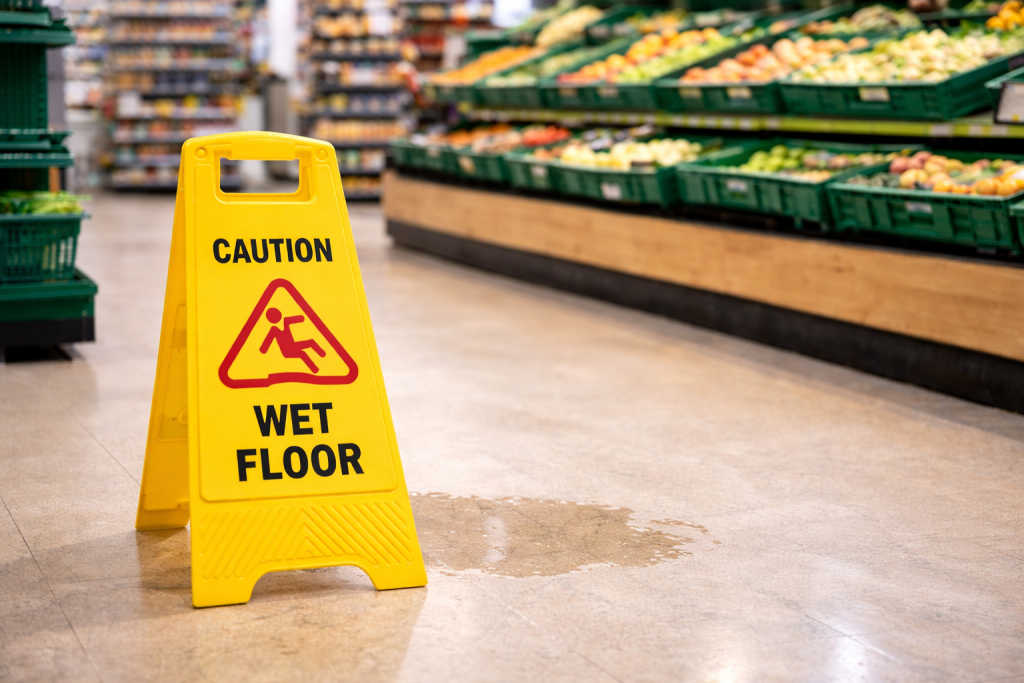
How to Prove Fault in a Florida Car Accident Claim
In Florida, proving fault in a car accident claim is crucial for recovering compensation. Whether you were involved in a rear-end collision in Fort Lauderdale, a side-impact crash in Pompano Beach, or any other type of car accident, understanding how fault is determined can significantly impact your case. At G. Reynolds Legal, PLLC, we help clients in Fort Lauderdale and throughout South Florida build strong, evidence-backed cases to ensure they get the compensation they deserve.

Florida’s Comparative Negligence Law
Florida operates under a comparative negligence rule, which means that fault is not an all-or-nothing decision. Even if you were partially at fault for the accident, you can still recover damages, although your compensation may be reduced based on your percentage of fault. For example, if you were found 20% at fault, your compensation would be reduced by 20%.
Read the rest of this entry »Rideshare accidents can be confusing, especially when it comes to determining who is responsible. In Florida, you may be wondering if you can sue Uber or Lyft after an accident. The answer depends on several factors, including the details of the accident, the driver’s status at the time, and the insurance coverage involved. At G. Reynolds Legal, PLLC, we help clients in Pompano Beach, Fort Lauderdale, and South Florida navigate the complexities of rideshare accident claims to ensure they receive the compensation they deserve.

Rear-end collisions are among the most common types of car accidents, and they can happen in any situation—whether you’re driving through a busy Fort Lauderdale intersection or on a quieter street. If you’ve been involved in a rear-end crash, knowing the right steps to take can make a significant difference in protecting your health and securing the compensation you deserve. At G. Reynolds Legal, PLLC, we’re dedicated to helping Fort Lauderdale residents who have been injured in rear-end collisions get the justice they deserve.
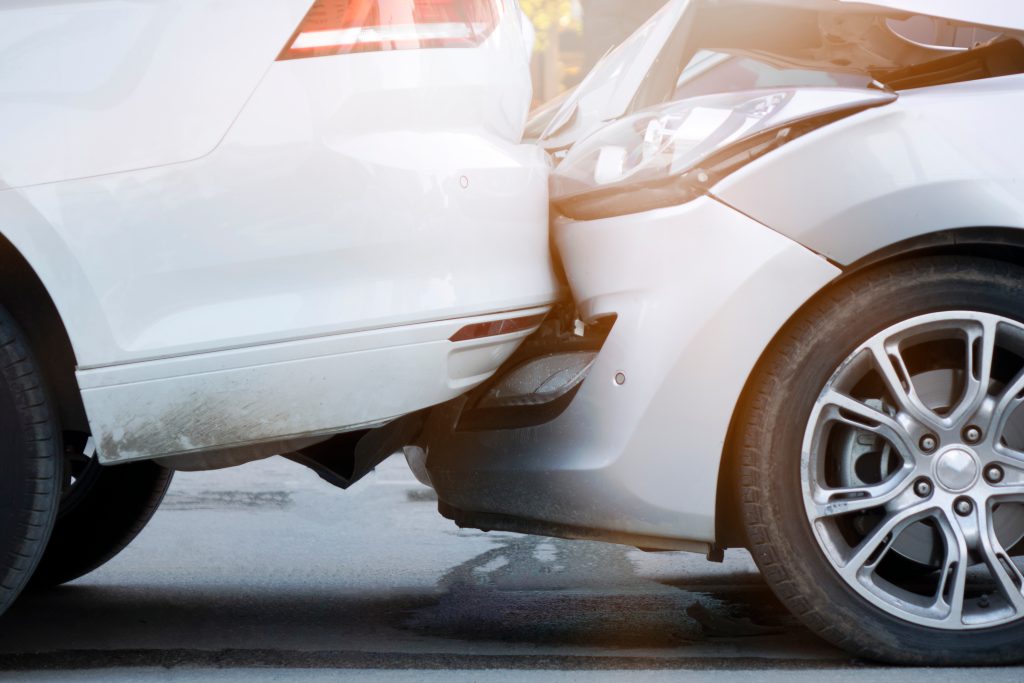
After a motorcycle accident, one of the first questions you may have is: “How long do I have to file a claim?” In Florida, the answer is straightforward, but the consequences of missing this deadline can be severe. Understanding the statute of limitations and acting quickly is critical to securing the compensation you deserve. At G. Reynolds Legal, PLLC, we are dedicated to helping motorcycle accident victims in Pompano Beach, Fort Lauderdale, and South Florida protect their rights and pursue the justice they deserve.

After a serious slip, trip, or fall inside a store, one of the most important pieces of evidence that can support your premises liability claim is video footage. Surveillance video from inside the store or exterior security camera footage may help prove your case. If you’re injured in a retail location in Pompano Beach or Fort Lauderdale, understanding your rights and the process of securing video footage is crucial. At G. Reynolds Legal, PLLC, our Pompano Beach premises liability lawyers guide clients through this process to build strong, evidence-backed premises liability claims.

Why Video Footage Matters in Premises Liability Cases
In premises liability claims, you must prove that the property owner, manager, or responsible party failed to maintain a safe environment. Video surveillance can clearly show what happened, including:
- The hazard that caused your injury such as a wet floor or broken tile
- How long the hazard was present before your fall
- Employee actions before and after the incident
- If any warning signs were visible in the area
- Your own movements leading up to and during the accident
This type of footage provides objective evidence that supports your version of events. However, stores are not required to hand it over voluntarily. Many businesses will not release video unless they receive a formal legal request.
Read the rest of this entry »Can an Insurer Deny My Vehicle Flood Damage Claim?
Flooding is one of the most destructive events your vehicle can experience, and South Florida drivers know how quickly water damage can happen during tropical storms and hurricanes. But what happens when your insurance company denies your flood damage claim? At G. Reynolds Legal, PLLC, we help drivers in Pompano Beach, Fort Lauderdale, and throughout South Florida fight back when insurers wrongfully delay, deny, or underpay legitimate claims for flood-related vehicle damage.
Understanding Flood Coverage

To receive coverage for flood damage to your car, you need to carry comprehensive coverage on your auto insurance policy. Liability-only policies do not cover water damage from flooding, heavy rain, or storm surges. If you have comprehensive coverage and your vehicle is damaged due to floodwaters, your claim should typically be honored—but some insurance companies look for ways to avoid paying.
Reasons Insurance Companies May Deny Flood Claims
Even if you believe your policy should cover the damage, insurers may still try to deny your claim. Common reasons include:
- Alleging that the damage existed before the flood
- Claiming the vehicle was not properly maintained or stored
- Disputing whether the damage was caused by floodwaters versus another source
- Delays in reporting the incident
- Filing errors or missing documentation
If your claim has been denied for one of these reasons, don’t assume the insurance company is right. You have the right to challenge the decision. Our firm assists with insurance claim denials and can help you gather evidence and communicate effectively with the insurer to push back.
What to Do If Your Claim Is Denied
If your vehicle flood damage claim is denied, take the following steps:
- Request a written explanation of the denial from your insurance company
- Review your policy to confirm you have comprehensive coverage
- Document the flood damage thoroughly with photos and repair estimates
- Gather any weather reports or proof of the flooding event
- Contact a vehicle property damage attorney to review your case
At G. Reynolds Legal, PLLC, we’ve helped South Florida residents recover compensation after unfair denials. Our team understands the tactics insurers use and how to respond with the proper documentation, expert reports, and legal pressure.
Serving Pompano Beach, Fort Lauderdale, and South Florida
Our firm represents policyholders throughout South Florida, with a focus on the unique challenges that drivers face in Pompano Beach, Fort Lauderdale, and coastal communities. Whether your car was damaged by a hurricane, flash flood, or rising storm surge, we’re here to help ensure your voice is heard and your rights are protected.
Talk to a South Florida Insurance Claim Lawyer Today
Flood damage can total a vehicle and create a major financial burden. Don’t let your insurance company off the hook. Contact G. Reynolds Legal, PLLC today or call 754-206-1082 for a free consultation. We’ll review your denial and help you take the next step toward recovering what you’re owed.
Connect with us

